
From Office Towers to Homes: Inside Calgary’s HAT @ NINTH Conversion and the Future of Downtown Living
Downtown Calgary’s transformation continues to gain momentum as another major office-to-residential conversion opens its doors to residents. The project, known as HAT @ NINTH, has officially begun welcoming tenants to its newly completed rental suites, marking another milestone in the city’s effort to reimagine its downtown core.
Located at 205 9 Avenue S.E., the building represents more than just a redevelopment project. It symbolizes a broader shift in Calgary’s urban strategy — one that focuses on revitalizing underutilized office buildings and turning them into homes that contribute to a vibrant, active downtown.
For those of us working in Calgary’s housing and rental sectors, projects like this are important indicators of how the city’s real estate landscape is evolving.
The Story Behind the Building
The structure that now houses HAT @ NINTH was originally built in 1966 and was known as the Natural Resources Building. Like many downtown office buildings constructed in the mid-20th century, it was designed during an era when Calgary’s economy was rapidly expanding due to the energy sector.
For decades, the building served its purpose as office space. But as Calgary’s downtown vacancy rates climbed — particularly following the downturn in oil markets and changes to workplace dynamics — the city began looking for creative ways to repurpose aging office towers.
Instead of allowing buildings like this to remain partially vacant or underutilized, Calgary launched an ambitious program to convert suitable office structures into residential housing.
The result is projects like HAT @ NINTH.
108 New Rental Homes in the Heart of Downtown
The newly redeveloped building now contains 108 rental units, bringing additional housing options to Calgary’s central core.
These suites are part of the broader vision to increase residential density downtown — something that urban planners and economic development experts have long advocated for.
More residents downtown means:
- More activity in local businesses
- Increased safety due to greater street presence
- Stronger demand for restaurants, shops, and services
- Greater utilization of transit and urban infrastructure
When people live downtown rather than only commuting into the area for work, the entire ecosystem of the city begins to change.
A Key Project in Calgary’s Downtown Strategy
HAT @ NINTH is not an isolated development. It is part of a larger initiative designed to reshape Calgary’s downtown core.
The city introduced the Downtown Calgary Development Incentive Program to encourage developers to convert unused office space into residential housing. The program provides financial incentives to make these projects economically viable, since office buildings are not always designed with residential use in mind.
Converting office towers into homes can require substantial structural modifications, including:
- Plumbing retrofits for kitchens and bathrooms
- Window redesign for natural light requirements
- Mechanical system upgrades
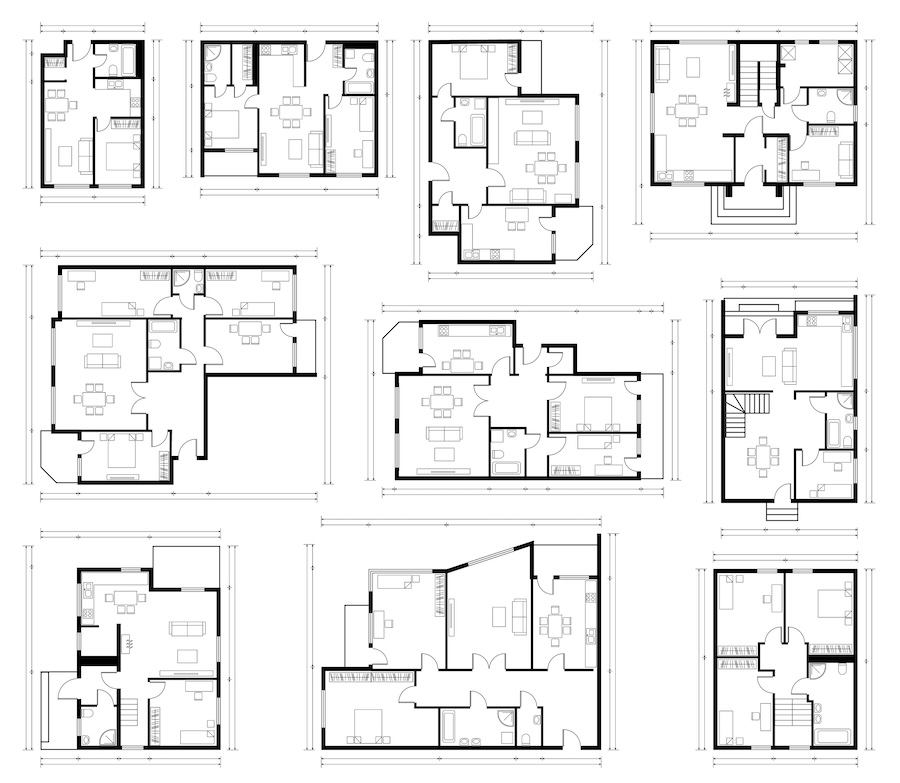
- Reconfiguration of floorplates to accommodate residential layouts
Despite the complexity, the program has proven successful in attracting developers willing to take on these transformations.
Currently:
- Seven office conversion projects have already been completed, including HAT @ NINTH.
- Twenty-one additional projects are receiving support through the incentive program.
Taken together, these developments represent one of the most ambitious downtown revitalization strategies in North America.
Preserving Architectural Character
One notable aspect of the HAT @ NINTH project is the effort to maintain elements of the building’s original architectural identity.
Rather than demolishing the structure entirely, developers preserved distinctive design features from the 1960s structure while adapting the interior for modern residential living.
This approach offers several benefits:
1. Sustainability
Reusing existing structures reduces construction waste and lowers the environmental impact compared with building entirely new towers.
2. Urban character
Maintaining historic architecture helps preserve the visual identity of the city.
3. Construction efficiency
Repurposing buildings can often be faster than ground-up development.
Adaptive reuse — the practice of converting buildings to new uses — is becoming increasingly common in cities around the world.
The Role of Private Developers
The redevelopment of HAT @ NINTH was led by Cidex Group, a developer that has been actively involved in Calgary’s downtown transformation.
For developers, projects like this represent both opportunity and risk. Office conversions require careful planning, substantial capital investment, and strong collaboration with the municipality.
Cidex Group has expressed strong enthusiasm about being part of Calgary’s evolving downtown landscape.
Developers working on these projects often highlight a shared belief: that vibrant downtowns remain the beating heart of successful cities.
Why Downtown Housing Matters
For many years, Calgary’s downtown core was dominated by office towers and corporate activity. While this created a strong business district, it also meant that the area could feel quiet after office hours.
Adding residential housing changes that dynamic.
A downtown with a growing residential population typically experiences:
- Increased evening and weekend activity
- Expanded cultural and entertainment offerings
- Improved safety due to constant presence of residents
- Greater demand for grocery stores, cafés, and everyday services
In other words, housing is the key ingredient that transforms a business district into a true neighbourhood.
This shift is already becoming visible in parts of Calgary’s downtown and adjacent districts like the East Village, Beltline, and Inglewood.
What This Means for Calgary’s Rental Market
From the perspective of the rental housing industry, projects like HAT @ NINTH add new supply to the market.
Additional rental inventory can have several impacts:
1. Increased housing options
More units create greater choice for renters, particularly those seeking urban lifestyles close to transit, work, and entertainment.
2. Competitive rental environment
As new buildings enter the market, landlords may need to remain competitive in pricing, amenities, and tenant experience.
3. Attraction of new residents
Modern rental developments help attract young professionals, students, and relocating workers to Calgary’s downtown.
For property managers and landlords, understanding these trends is critical when positioning rental properties in the market.
A Downtown Built for the Future
Municipal leaders have emphasized that Calgary’s office conversion strategy is not simply about filling empty buildings — it is about reimagining the future of the downtown core.
Rather than relying exclusively on office tenants, the vision is to create a mixed-use downtown where people:
- Live
- Work
- Study
- Socialize
- Access arts and culture
This approach aligns Calgary with other global cities that have successfully revitalized their central districts through residential growth.
The Arts and Culture District Advantage
The location of HAT @ NINTH places it within Calgary’s arts and culture district, an area that continues to see significant investment.
Living in this district offers residents proximity to:
- The National Music Centre
- Studio Bell
- Arts Commons
- The Central Library
- River pathways and parks
- Restaurants and cafés in East Village and Inglewood
For many renters, this type of walkable lifestyle is becoming increasingly attractive.
The Bigger Picture: Calgary’s Urban Evolution
Calgary has historically been known as a city of suburban growth, with many residents living outside the core and commuting into downtown.
But the city’s approach to urban development is evolving.
Office-to-residential conversions are just one component of a broader strategy that includes:
- New purpose-built rental developments
- Increased transit-oriented housing
- Revitalization of historic districts
- Expanded public spaces and riverfront amenities
The goal is to create a more resilient and diverse downtown economy.
What Comes Next?
With several office conversions already completed and many more currently underway, Calgary’s downtown housing landscape is likely to look very different over the next decade.
As these projects continue to open, they will gradually transform once-quiet office corridors into residential communities filled with activity.
For investors, property managers, and urban planners alike, these changes represent both opportunity and adaptation.
Projects like HAT @ NINTH demonstrate that with the right vision and partnerships, cities can transform challenges — such as high office vacancy — into opportunities for growth and renewal.
Final Thoughts
The opening of HAT @ NINTH marks another step forward in Calgary’s ambitious effort to reshape its downtown core.
By converting underused office space into modern residential housing, the city is not only addressing vacancies but also creating a more dynamic urban environment.
For Calgarians considering downtown living — and for those working in the housing industry — these developments signal a promising future.
The transformation of Calgary’s skyline is no longer just about office towers. Increasingly, it is about homes, neighbourhoods, and communities taking root in the heart of the city.
And HAT @ NINTH is one of the latest examples of that transformation in action.